


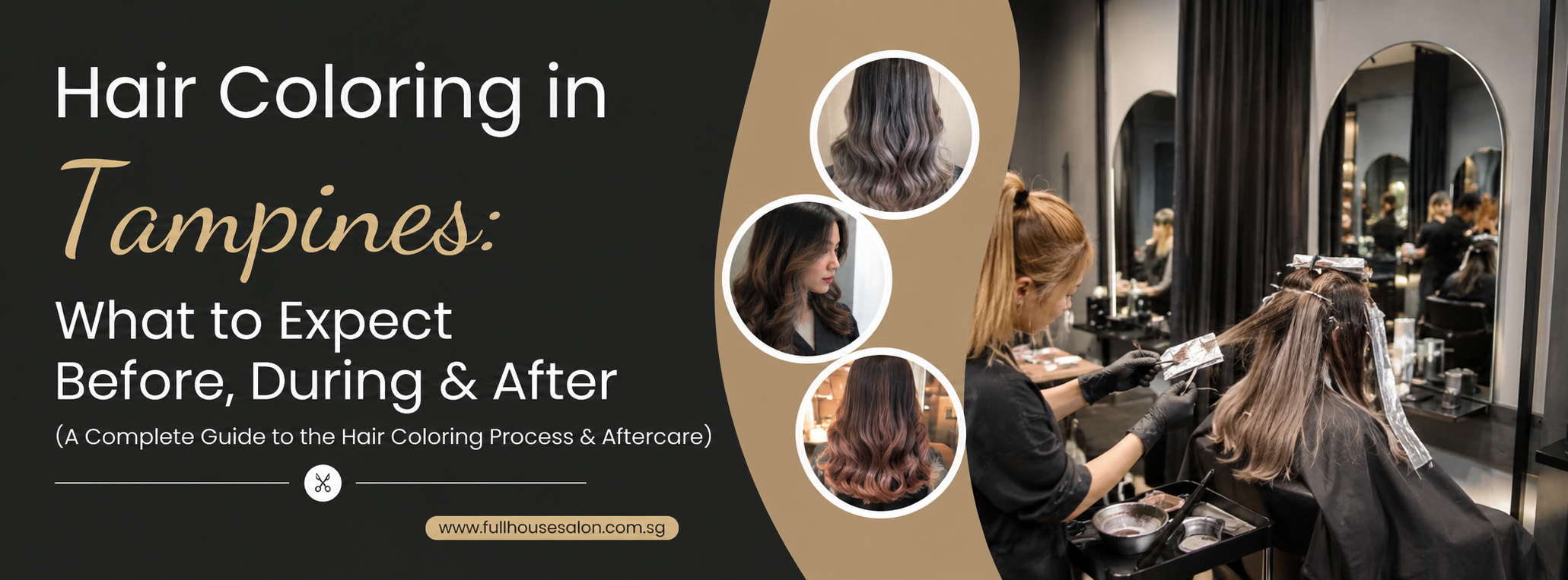
Hair Coloring in Tampines: What to Expect Before, During & After
Whether you are considering a subtle refresh or a complete shade transformation, understanding the hair coloring process can help you prepare and set realistic expectations. This guide walks you through the hair coloring process from consultation to aftercare, covering common techniques, timing, and maintenance tips so you can make informed decisions about your hair.
Key Takeaways
- Hair coloring in Tampines typically starts with a consultation to review hair history, scalp condition, and desired shade.
- Different techniques—full color, highlights, balayage, toner, and root touch-up—have varying timing, maintenance needs, and effects on hair health.
- A coloring session can take from under an hour for a simple toner or root touch-up to several hours for highlights, balayage, or color correction, depending on hair length, thickness, and goals.
- Proper aftercare using color-safe shampoo, gentle styling, and UV and heat protection helps color-treated hair stay vibrant and reduces dryness after the chemical process.
- Not every target shade is achievable in a single visit. Especially when going much lighter, a gradual approach is recommended.
What Is Hair Coloring?
Hair coloring involves chemically altering or enhancing the hair’s natural shade. It alters pigment in the hair shaft, so stylists consider hair type, condition, and existing color before recommending techniques.
Tampines salons offer a wide range of styles, from natural browns to bold coppers and ash tones. Choosing a reputable salon like Full House is a smart step, as experienced hair stylists can help align your expectations and maintenance needs.
Common Types of Hair Coloring
Full Color
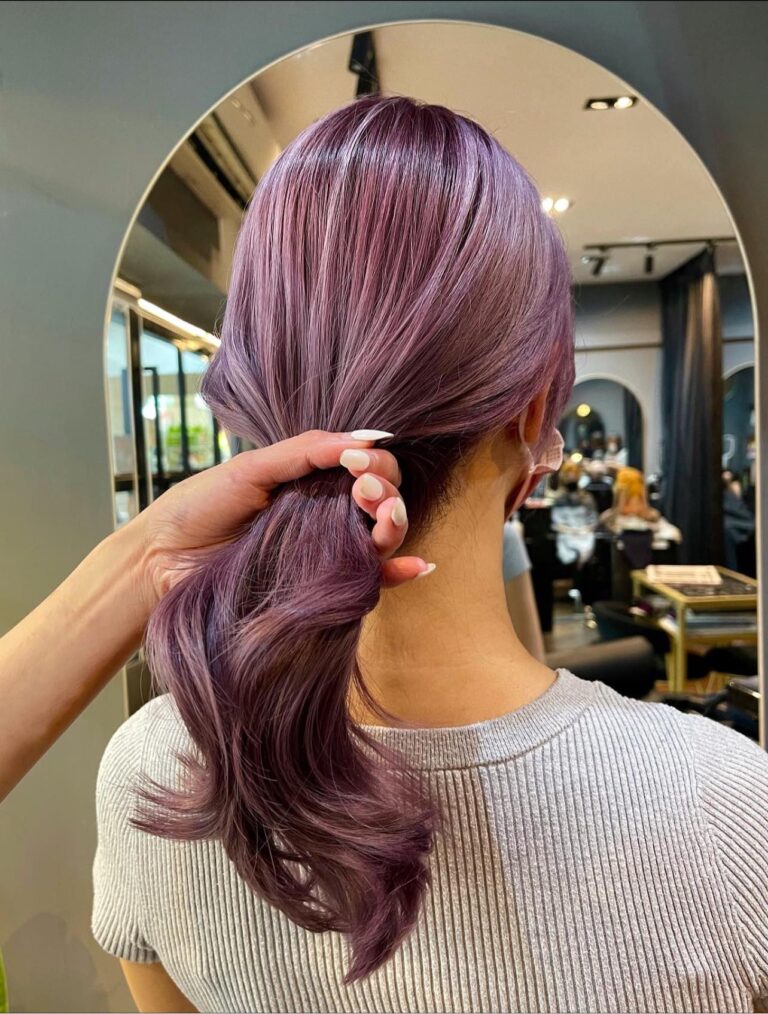
Full color applies dye uniformly from root to tip, changing the overall shade. It suits clients wanting a noticeable but controlled change, such as shifting from dark brown to cooler chocolate or warm chestnut. This technique is popular with first-time color clients.
Hair coloring choices depend on hair porosity, thickness, and texture. Maintenance varies with root growth and contrast; darker roots on lighter hair show more quickly. Permanent hair color usually contains ammonia, which opens the hair cuticle so pigment can penetrate deep into the hair shaft, making the color more intense and longer-lasting. Demi-permanent color works more gently by slightly opening the outer layer of the hair, allowing color to enter without going as deep, so it fades faster than permanent color but is gentler on the hair and gives softer regrowth. Semi-permanent color is the mildest option, as it simply coats the surface of the hair without changing its structure, which means it generally fades sooner, although how long it lasts can still vary depending on the hair base.
Choosing the right type helps balance the desired look and upkeep.
Highlights
Highlights add lighter strands using foils or weaving techniques to create brightness and dimension without coloring the entire head of hair, while lowlights introduce darker tones to add contrast and depth. The placement and thickness can be adjusted to suit straight, wavy, or curly hair, and highlighted hair usually needs root or partial touch-ups every few months, depending on hair growth. In Tampines, salons such as Full House Salon are known for handling ultra-fine hair with care and delivering creative coloring results, making them a strong option for those with delicate hair fibres.
Balayage
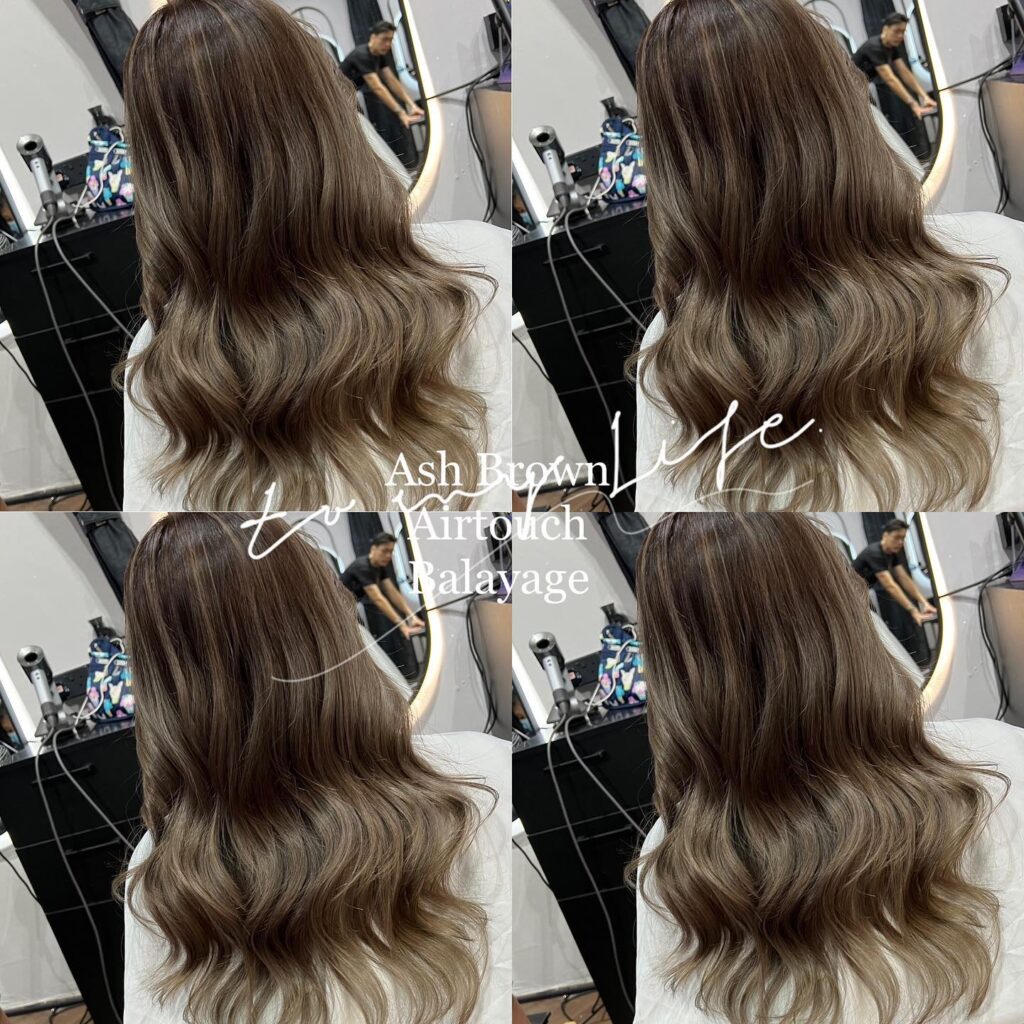
Balayage is a popular hair coloring technique that creates a natural-looking, sun-kissed effect by hand-painting highlights onto the hair. This seamless blend from darker roots to lighter tips offers a softer, more gradual transition than traditional highlights. Balayage suits various hair textures and thicknesses, providing dimension without harsh lines. Types include full balayage, where color is painted from mid-lengths to ends; partial balayage, focusing on select sections; and reverse balayage, featuring darker roots fading to lighter tips. This technique is favored for its low-maintenance nature, as regrowth is less noticeable, making salon visits less frequent. Balayage complements natural hair tones and lifestyle preferences, ideal for those seeking subtle yet stylish color enhancements. For a deeper understanding of balayage and other techniques, explore our balayage & color services.
Toner
Toner helps adjust unwanted undertones after lightening, especially to reduce brassiness in brown or blonde hair. It is often used with a gloss to refine the color and add shine, making it important for achieving shades like ash, beige, cool brown, or grey. Since toner fades with washing, refresh appointments may be needed to keep the color looking fresh, though these are usually quicker than a full coloring session. Bright shades like red or rose gold often need bleaching first and usually require more maintenance because they fade faster.
Root Touch-Up
Root touch-up colors only the new growth near the scalp, blending it with existing colored hair. This quick service is common for covering greys or maintaining shade consistency when natural color contrasts with dyed hair. It typically takes less time than a full color session, often between 45 minutes to 1.5 hours. Discuss your preferred touch-up frequency with your stylist to ensure the color fits your lifestyle and maintenance schedule.
What Happens During a Hair Coloring Appointment?
1. Consultation
The appointment usually starts with a consultation where the stylist asks about your hair history over the past 12–24 months, including previous color treatments, rebonding, perming, keratin treatments, or home dye. Bringing photos or saved looks on your phone helps communicate your desired shade clearly. Visual references ensure the chosen color aligns with your skin tone and style, reducing miscommunication. The stylist also discusses maintenance preferences, such as how often you can return for touch-ups or toners. Any hair concerns like thinning, scalp sensitivity, or past color mishaps are addressed during this important first step.
2. Hair and Scalp Assessment
The stylist examines hair density, natural texture, porosity, and existing color bands to understand how virgin hair or previously colored hair will react to new color. The scalp is checked for sensitivity, flaking, broken skin, or irritation, as this affects whether certain products can be safely used. Highly damaged or very dry hair may require a more conservative plan or hair treatment first before intense lightening is attempted. This careful evaluation helps protect hair health and ensures the desired hue is achieved while maintaining hair integrity.
3. Color Selection
The stylist suggests shades based on skin tone (warm, cool, neutral), eye color, and natural base level for a harmonious result. Understanding your skin tone is crucial for selecting a hair color that enhances your natural beauty; those with pink undertones typically look better in cooler, ashier hues, while those with yellow undertones should opt for warm, golden shades. Using a color wheel helps identify complementary colors. Lifestyle factors, such as outdoor work, swimming habits, and workplace dress codes, are also considered. Stylists use swatch books and digital examples to demonstrate how different shades suit your complexion.
4. Color Application
Hair is carefully sectioned, and the selected color is applied evenly from root to tip to ensure consistent coverage. Application patterns differ: full color saturates all strands, highlights involve precise weaving, and balayage uses freehand sweeping.
5. Processing and Rinsing
Once the color is applied, the stylist allows it to process for a specific time, regularly checking to ensure the desired lift and tone are achieved. Processing times vary based on the product used, initial hair color, and intended result—rushing this step can harm hair health and affect the outcome. After processing, hair is rinsed with lukewarm water, shampooed gently, and treated with bond-repair or moisture products. Toners are applied if needed, then rinsed before conditioning.
6. Styling and Aftercare Advice
Hair is usually blow-dried and styled so both client and stylist can clearly see the new tone, shine, and dimension under proper lighting. During this time, the stylist provides detailed aftercare advice, including recommended color-safe shampoos and masks, how often to wash your hair, and tips on heat styling to avoid damage. Clients are encouraged to ask about touch-up schedules to maintain vibrant, healthy hair. You will leave with a clear plan to care for your colored hair at home.
How Long Does Hair Coloring Take?
| Service Type | Typical Duration |
|---|---|
| Root touch-up | 45 minutes – 1.5 hours |
| Toner only | 30 minutes – 1 hour |
| Full color | 1.5 – 3 hours |
| Highlights | 2 – 4 hours |
| Balayage | 3 – 5 hours |
| Color correction | 4+ hours or multiple visits |
What to Expect After Hair Coloring
Freshly colored hair may appear more vibrant initially, then soften after a few washes as the cuticle closes. Lighter shades and ash tones can fade faster, especially under Tampines’ sun and humidity. Hair often feels drier post-lightening due to cuticle opening. Some may experience mild scalp sensitivity briefly. Normal shedding occurs, but watch for excessive breakage, which may require protein treatments or hair care adjustments to keep your hair healthy and vibrant.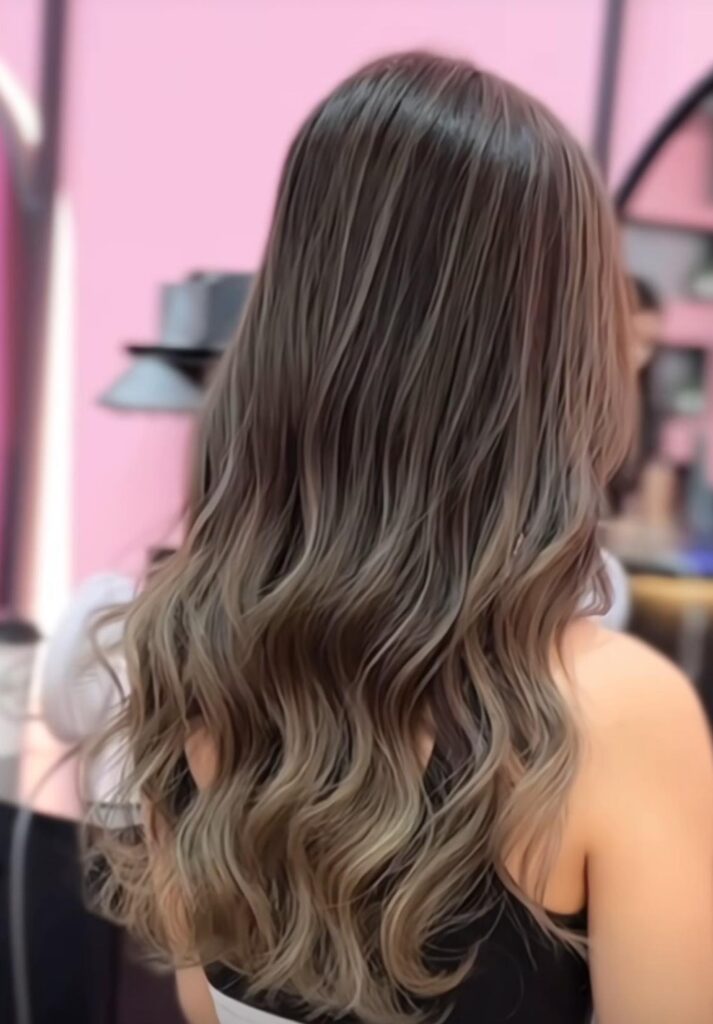
Hair Color Maintenance Tips
To prevent fading and keep color vibrant,
- Use sulphate-free, color-safe shampoo and conditioners formulated for color-treated hair.
- Wash hair less frequently—ideally about twice a week—and use cooler water to preserve vibrancy.
- Limit heat styling and always apply heat protectant spray before blow-drying, curling, or straightening to avoid excessive heat damage.
- Incorporate weekly or bi-weekly hair masks focused on moisture and protein to support hair health and strengthen hair cuticles.
- Protect your hair from the sun’s UV rays with hats or UV protection sprays, especially for lighter or fashion shades like ash brown.
- Avoid swimming in chlorinated pools to maintain your hair dye longer.
How Often Should You Touch Up Hair Color?
Touch-up frequency depends on several factors:
| Color Type | Suggested Refresh Timing |
|---|---|
| Root touch-up | 4–6 weeks, depending on growth rate |
| Full color | 6–8 weeks as fading occurs |
| Balayage | Every 10–12 weeks (grows out softly) |
| Highlights | 8–10 weeks, depending on contrast |
| Ash/fashion tones | Toner refreshes every 3–4 weeks |
Regular salon visits are essential for maintaining a vibrant hair color. Touch-ups are typically needed every four to six weeks for all-over color, while techniques like balayage may require appointments every 10 to 12 weeks. Red shades and rainbow colors are particularly high-maintenance, as they tend to fade quickly.
Have a conversation with your stylist about a realistic schedule that fits work, budget, and lifestyle rather than following a strict, generic timeline. This makes all the difference in long-term color care.
Common Hair Coloring Mistakes to Avoid
- Choosing a color based solely on online photos without considering starting hair color, lighting differences, and skin tone.
- Ignoring hair condition and pushing for dramatic lightening on already fragile or over-processed strands.
- Trying to go from very dark to very light in a single session, which can cause breakage and unpredictable undertones.
- Skipping the consultation stage or withholding details about past chemical treatments.
- Not asking about maintenance before committing to high-upkeep shades like bold colors, platinums, or vivid hues.
- Using harsh clarifying products immediately after professional coloring, which can strip color molecules.
- Attempting DIY “corrections” over existing salon color, creating banding and additional stress on hair health.
- Excessive heat styling, such as frequent use of curling irons or heat styling tools, can cause color fading and damage.
Your hair deserves careful handling. Regular trims help remove split ends and keep colored hair looking fresh.
Is Hair Coloring Suitable for Everyone?
Suitability depends on hair condition, scalp health, previous chemical history, and individual sensitivity to color ingredients. Those with very dry, brittle, or heavily processed hair may be advised to repair and strengthen hair before undergoing strong lightening. Professional stylists specialise in assessing these factors.
Clients who are pregnant or breastfeeding are often encouraged to consult both their stylist and healthcare provider before any chemical service. Patch tests may be recommended to check for allergic reactions or to preview how the hair strand will respond to color.
Anyone with a history of severe scalp reactions should disclose this during consultation so the coloring process can be adjusted. A balanced diet and proper hydration also support overall hair health for better color results.
Final Thoughts
Tampines offers diverse hair coloring services, from simple glosses enhancing natural tones to bold highlights and balayage. Understanding the process, timing, and maintenance helps set realistic expectations. Prioritise hair health with honest history sharing, proper aftercare, and gradual changes. Complimentary consultations guide you to a color matching your lifestyle and style. Speak to our stylists at the Full House Salon to learn about what works best for you.
FAQs About Hair Coloring in Tampines
How long does hair colouring usually take?
The duration depends on factors like hair length, thickness, the colouring technique used, and your desired colour outcome. Toners and root touch-ups typically require less time, while highlights, balayage, and colour correction appointments can take longer due to their complexity.
What is the difference between full colour and balayage?
Full colour involves changing the entire hair shade uniformly from root to tip, offering a consistent new hue. In contrast, balayage creates a softer, hand-painted, blended effect with natural-looking dimension and less noticeable regrowth.
Will hair colouring damage my hair?
Since hair colouring is a chemical process, it can affect hair health. The extent of damage depends on your hair’s current condition and the type of colouring. A professional consultation helps determine if your hair needs treatments to strengthen strands before or after colouring.
How do I maintain coloured hair?
Maintain your new shade by using color-safe shampoos and conditioners, avoid excessive heat styling, and reduce frequent washing with hot water to protect natural oils.
How often should I refresh my hair colour?
Refresh timing varies by colour type. Root touch-ups are generally needed every 4–6 weeks depending on regrowth, while balayage grows out more naturally and can be refreshed every 10–12 weeks. Ash and bold shades may require more frequent toner visits to maintain vibrancy.
Can I colour my hair after rebonding or treatment?
This depends on your hair’s condition and the timing between services. It’s important to have a hair professional assess your strands to ensure your hair can safely handle additional chemical processes without compromising strength or health.
WhatsApp us